Strength in Unity.
Resilience in Faith.

For generations, the Jewish story has too often been told by others — distorted, minimized, or detached from the people who lived it. The Kehillah Project exists to help our community tell that story in our own words: with pride, clarity, memory, and purpose.

This is a place to learn, remember, stay informed, and take action. It connects Jewish history, modern challenges, and communal responsibility into one shared experience — because our past is not separate from our present, and our future depends on how clearly we understand both.

כָּל יִשְׂרָאֵל עֲרֵבִים זֶה לָזֶה

All of Israel are guarantors for one another.

THE PURPOSE OF THIS SITE

The Kehillah Project is built around a simple idea: Jewish identity is strengthened when knowledge leads to responsibility.

Here, visitors can explore the long arc of Jewish history, understand the enduring connection between the Jewish people and the Land of Israel, learn about modern threats facing Jewish communities, and find meaningful ways to stand with one another.

This is not only a history project. It is a living communal project — rooted in memory, shaped by responsibility, and directed toward action.

OUR UNBREAKABLE CHAIN

Jewish history is an unbreakable chain stretched across millennia, continents, exile, return, destruction, rebuilding, persecution, faith, and renewal.

Each link represents a generation that carried the story forward. Some lived under empires. Some endured exile. Some rebuilt communities from ashes. Some returned home. All inherited a responsibility to remember, to teach, and to preserve what was handed to them.

That chain has never been merely symbolic. Its anchor has always remained tied to the Land of Israel — the ancestral homeland of the Jewish people and the center of Jewish memory, longing, prayer, and return.

As you trace this timeline, you are not just reading history. You are following the chain that connects past to present — a story of survival, resistance, responsibility, and homecoming without parallel.

Ancient Roots & Sovereignty
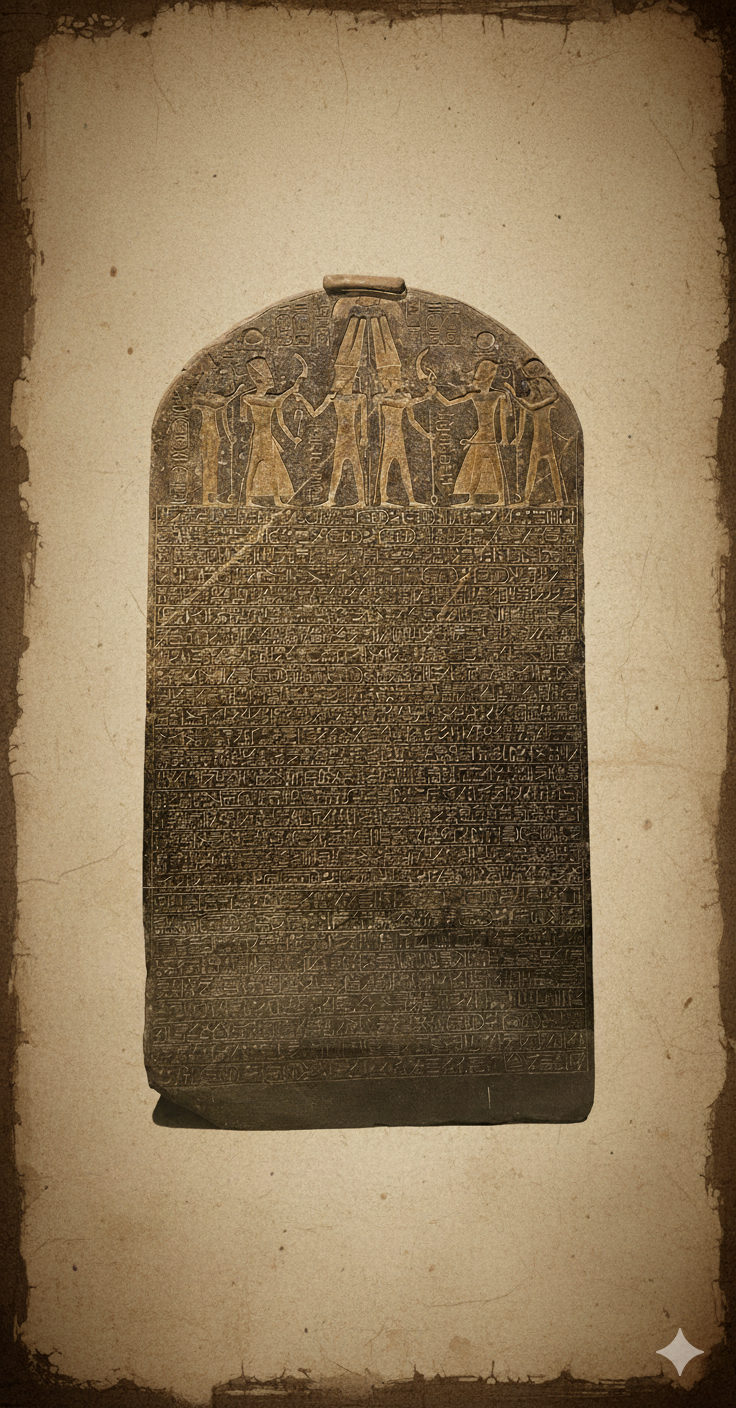
The Merneptah Stele

13th Cent. BCE

Merneptah Stele
Earliest known extra-biblical reference to 'Israel', proving our ancient presence in the land. (Egyptian Museum, Cairo, Egypt)
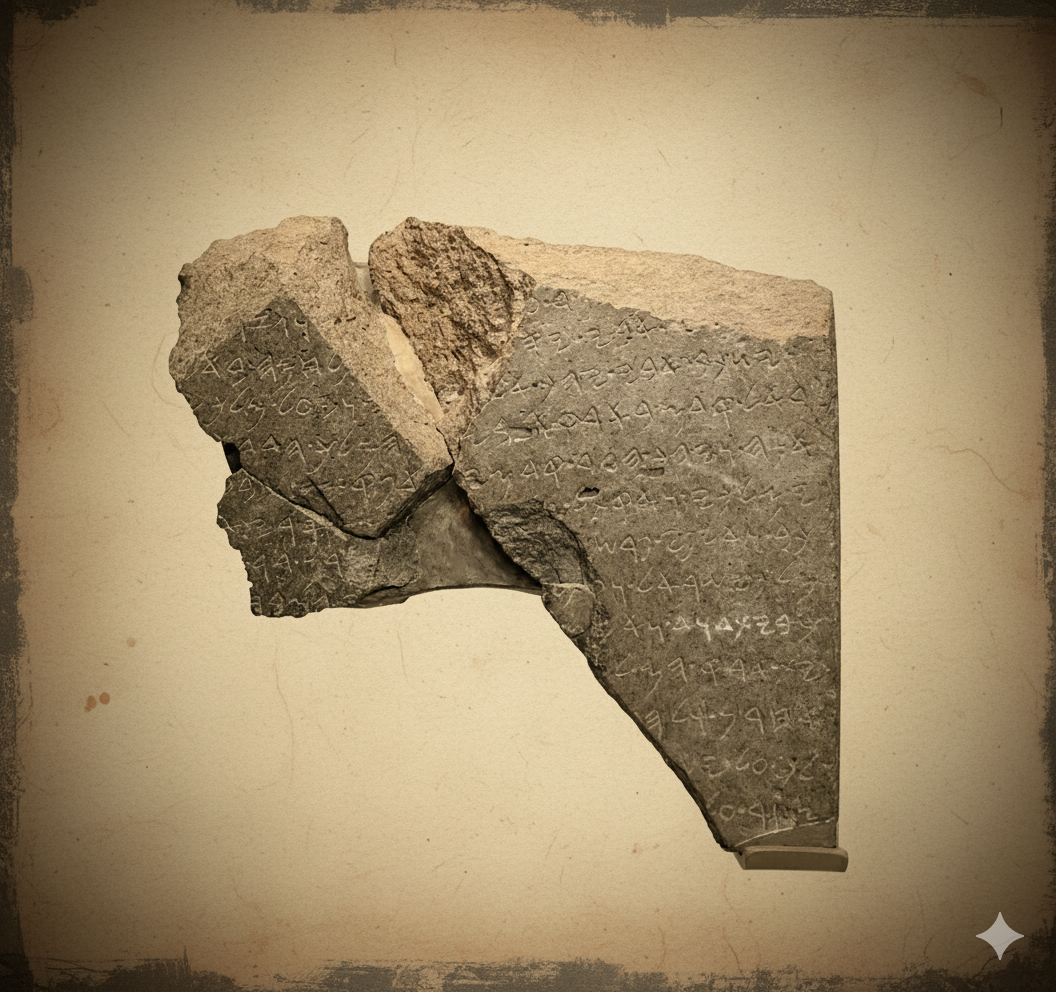
The Tel Dan Stele

9th Cent. BCE

Tel Dan Stele
First archaeological reference to the 'House of David', confirming the Davidic dynasty. (Israel Museum, Jerusalem)
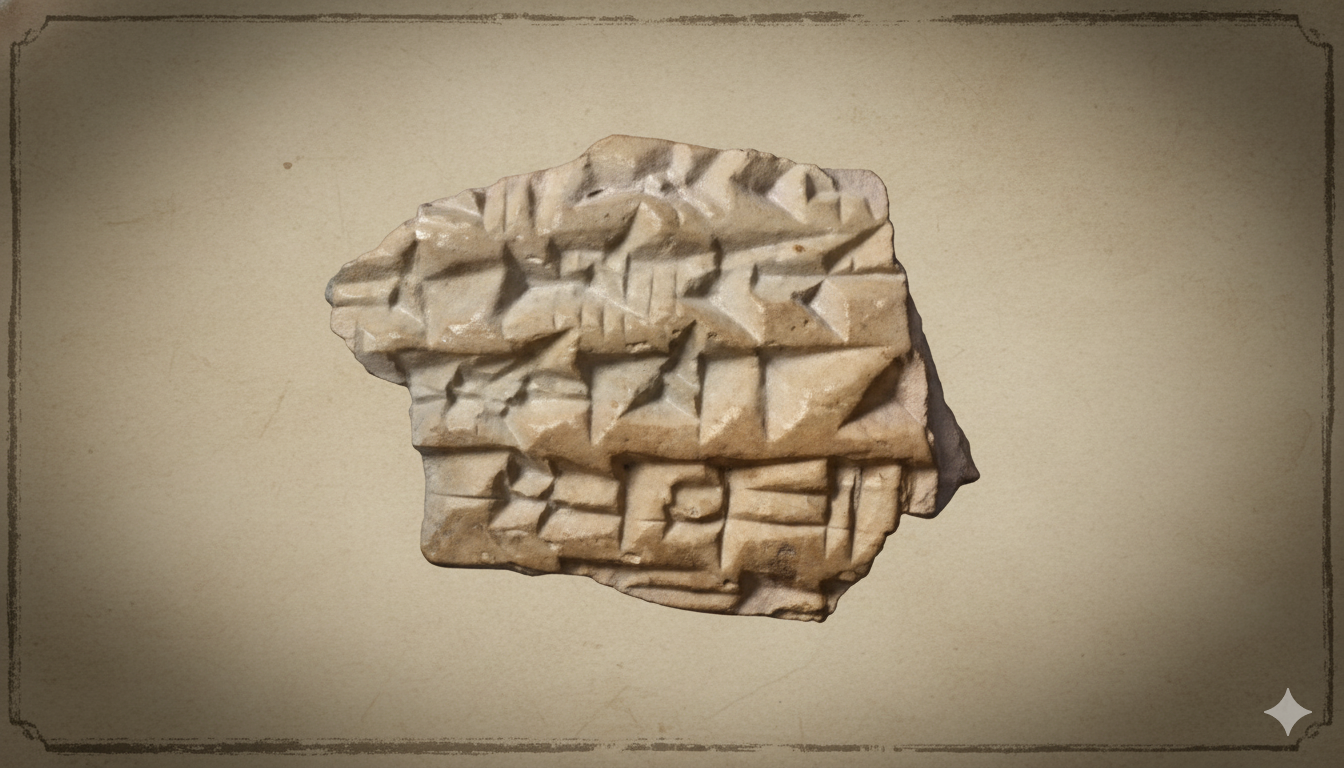
A stone fragment with Assyrian cuneiform script found in Jerusalem.

8th Cent. BCE

Kingdom of Judah-Assyrian Inscription
The only Assyrian cuneiform inscription from the First Temple period discovered next to the Western Wall of the Temple Mount, providing rare physical evidence of ties between the Kingdom of Judah and the Assyrian Empire. (IAA)
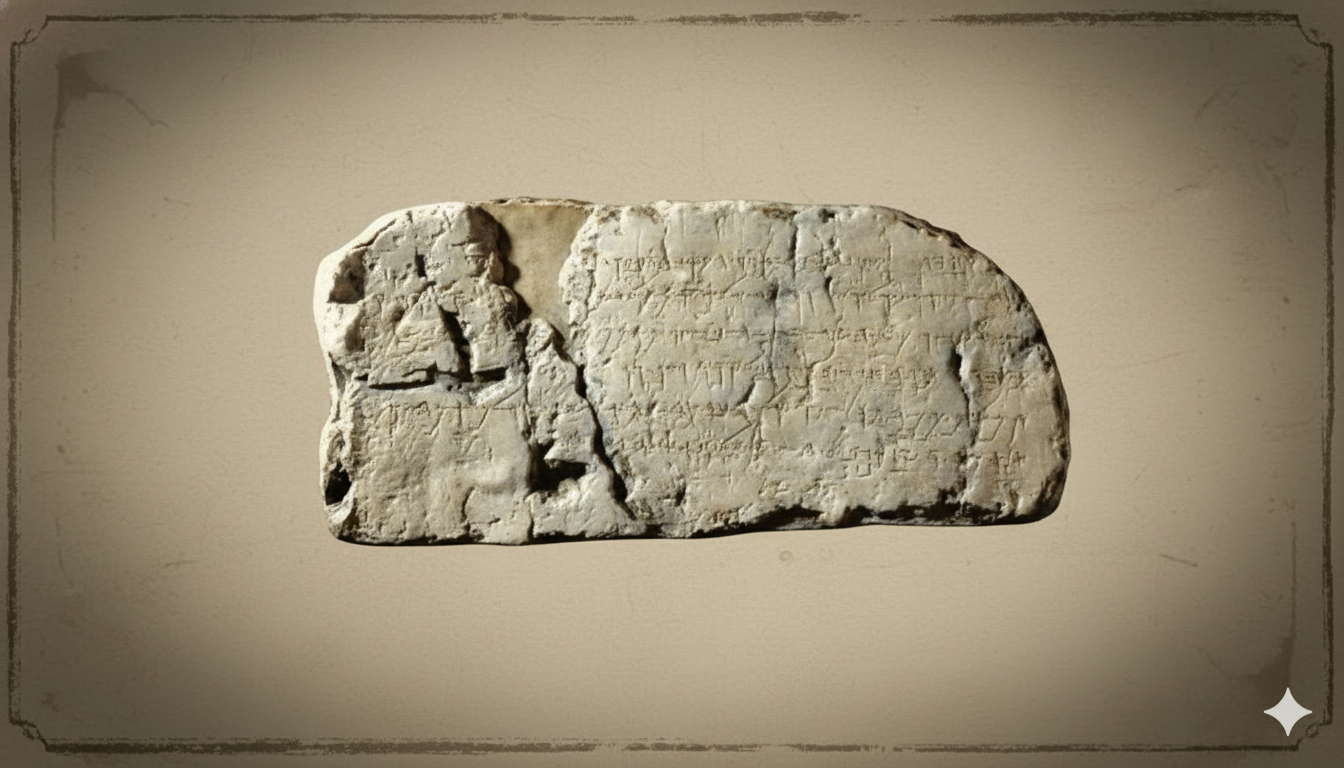
The Siloam Inscription, a Hebrew carving found in Jerusalem.

8th Cent. BCE

Siloam Inscription
An ancient Hebrew inscription carved into Jerusalem’s water tunnel records a Judean engineering feat tied to King Hezekiah and the scriptural account (2 Kings 20:20; 2 Chronicles 32:3-4) of diverting water. Now held in Istanbul, it confirms a continuous Jewish presence in the land — yet Turkey refuses Israel’s request for its return, keeping it off-display and fueling heritage denial.
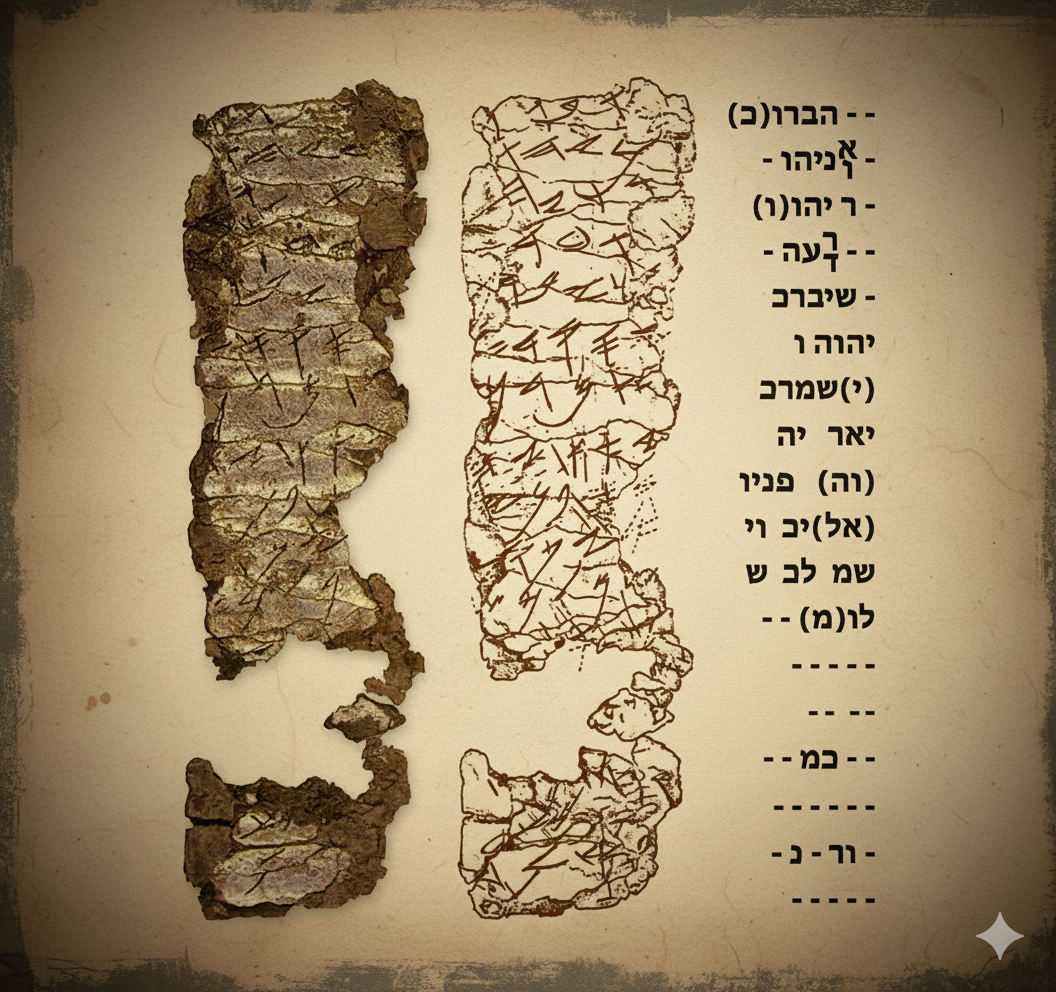
The silver Ketef Hinnom scrolls containing the Priestly Blessing.

7th Cent. BCE

Ketef Hinnom Scrolls
Oldest known fragments of biblical text, containing the Priestly Blessing. (Israel Museum, Jerusalem)
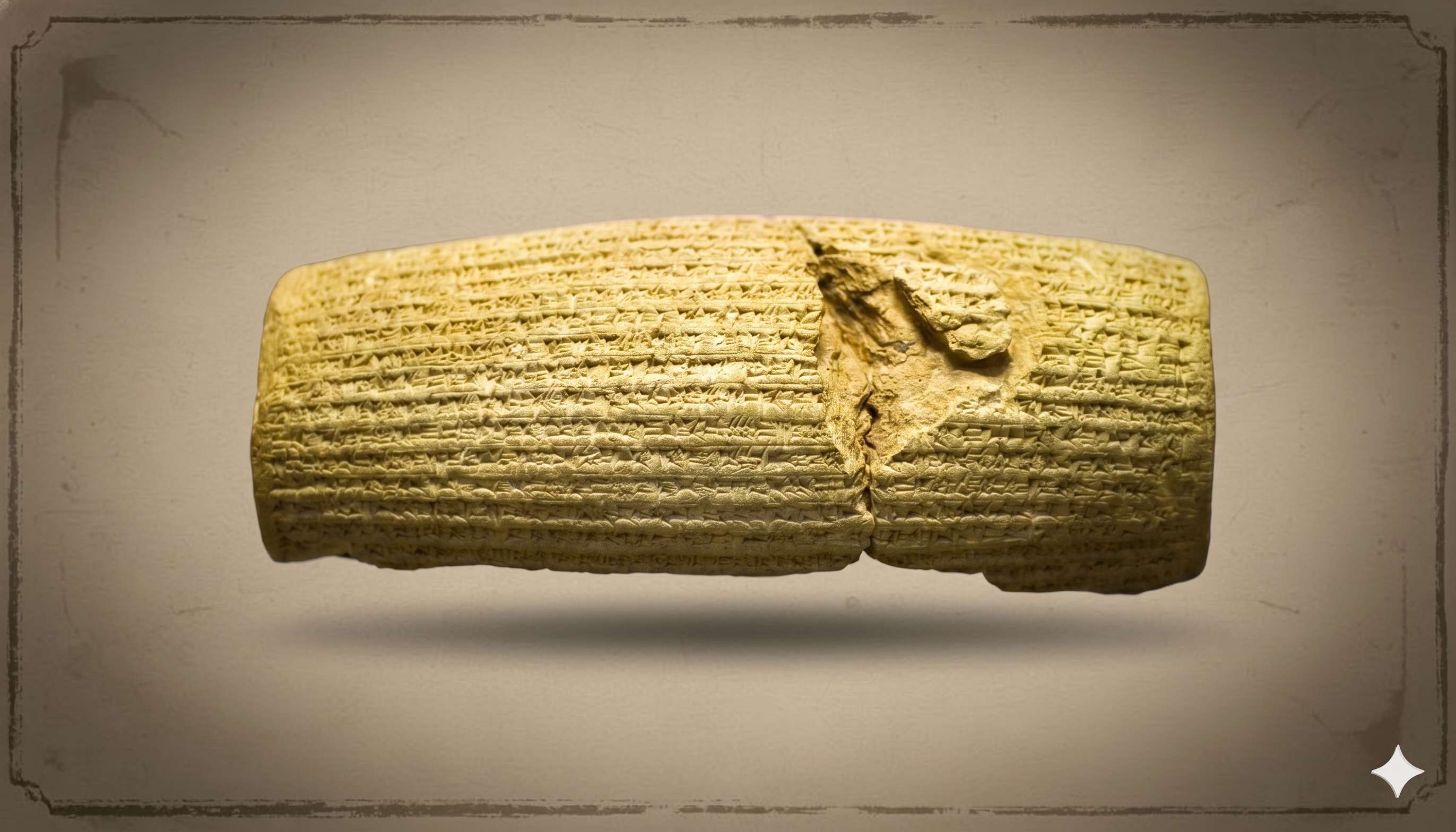
The Cyrus Cylinder, an ancient Persian inscription held at the British Museum.

6th Cent. BCE

Cyrus Cylinder
An ancient Persian inscription issued after Cyrus the Great conquered Babylon in 539 BCE records his policy of restoring temples and returning displaced peoples to their homelands. Now held at the British Museum, it echoes the biblical account of Cyrus allowing the Judean exiles to return and rebuild the Temple in Jerusalem (Ezra 1:1–4; 2 Chronicles 36:22–23), marking a decisive link in the unbreakable chain — exile did not end the Jewish story; return renewed it.
A map showing the battles of the Maccabean Revolt.

167-160 BCE

Maccabean Revolt
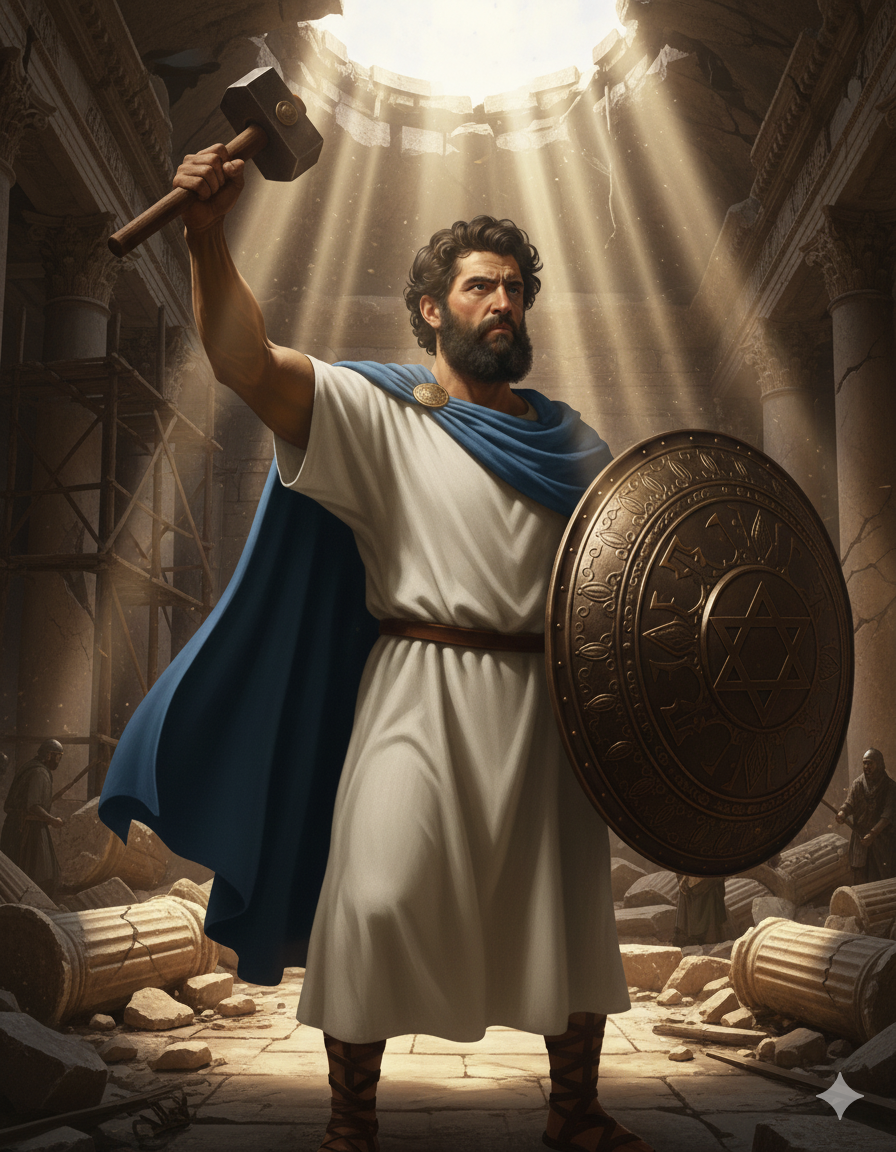
Jewish warriors defeat the Greek Empire, rededicate the Temple, and secure religious freedom.
The fortress of Masada, a symbol of the Great Revolt.

66-73 CE

The Great Revolt
A massive uprising against the Roman Empire, culminating in the destruction of the Second Temple.
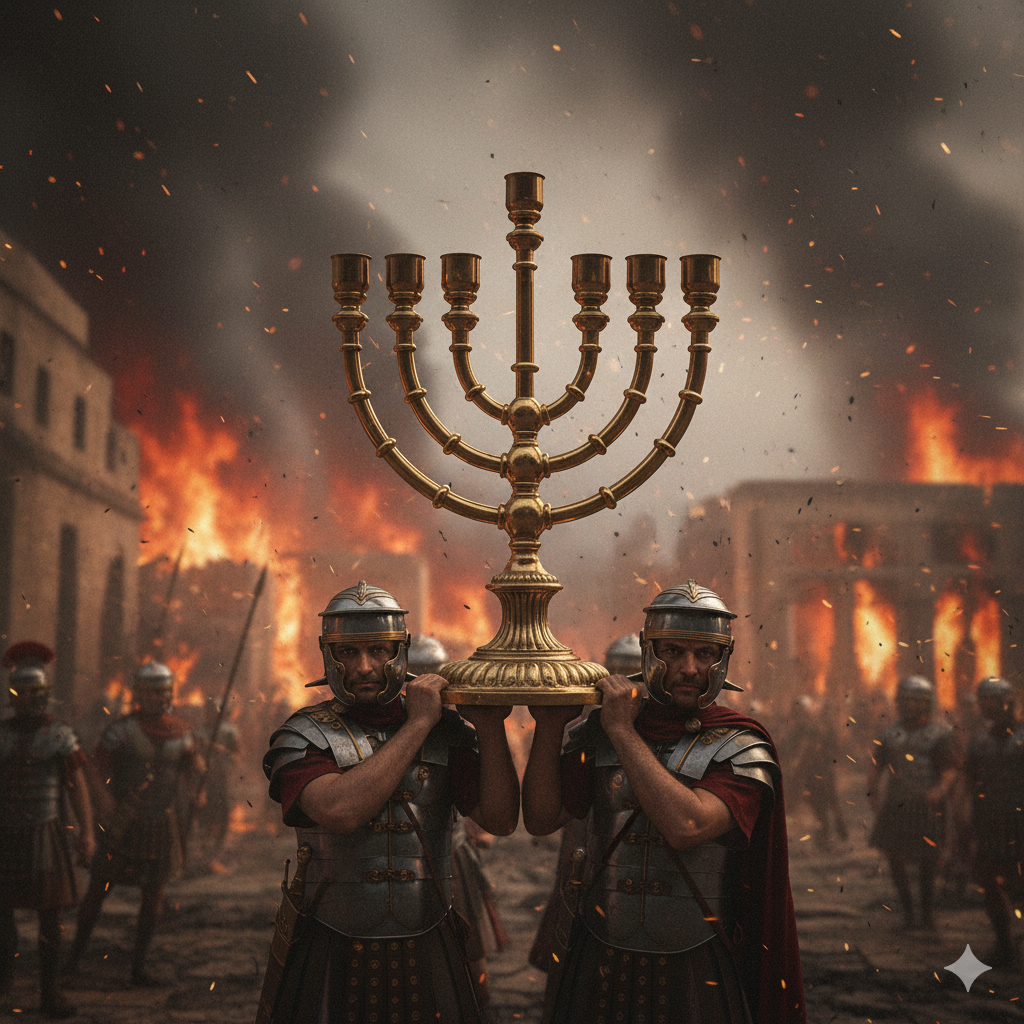
The Arch of Titus, depicting spoils from the Temple, a symbol of Roman victory over Judea.

66 CE to 136 CE

The Devastation of Judea
The brutal Roman victory under Emperor Hadrian resulted in what the Roman historian Cassius Dio recorded as the death of 580,000 Jewish soldiers, with countless more perishing from famine and disease. 985 towns were destroyed. This cataclysm marked the definitive beginning of the great exile, as Jews were sold into slavery and forbidden from entering Jerusalem, which was renamed Aelia Capitolina.
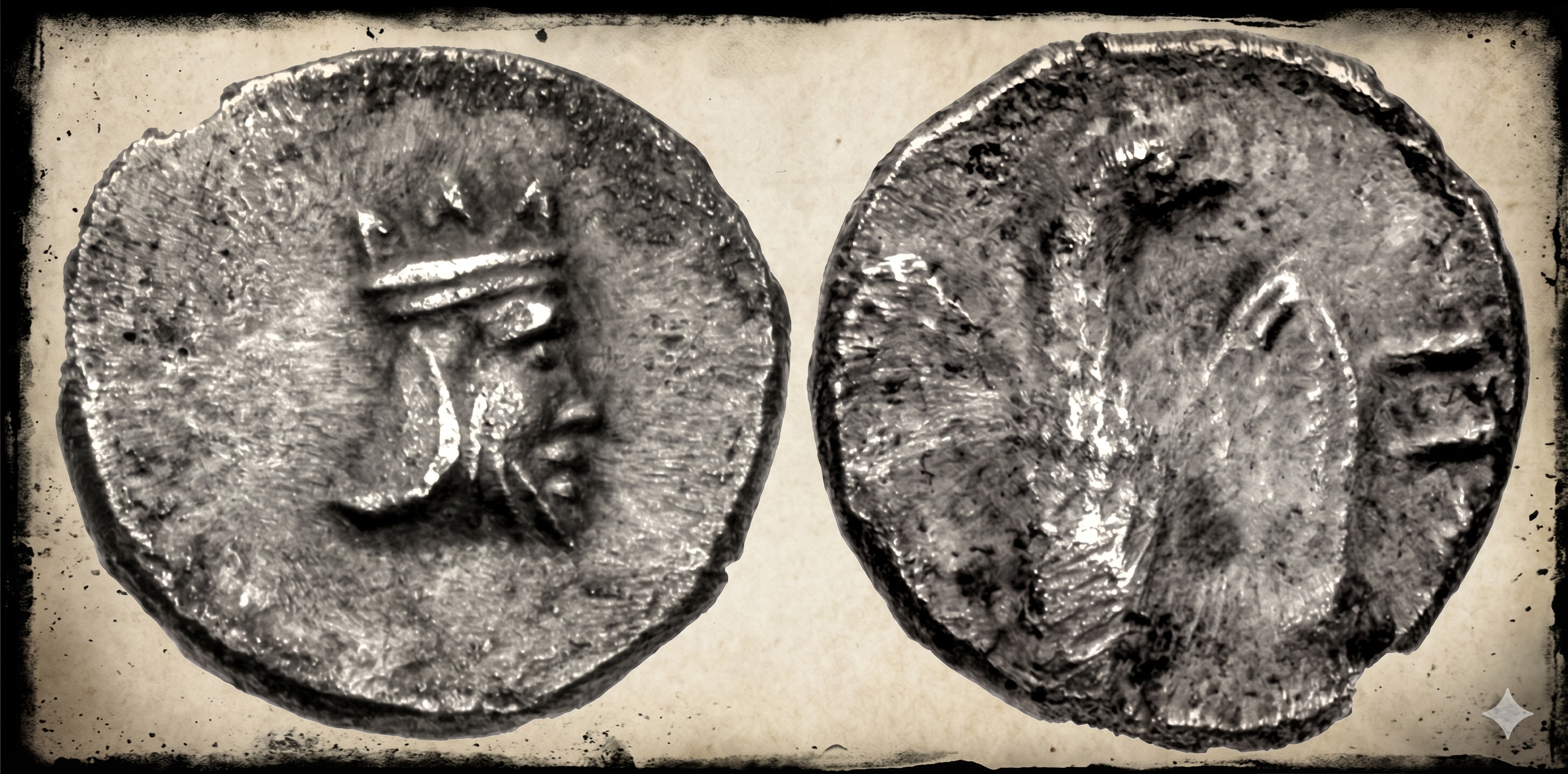
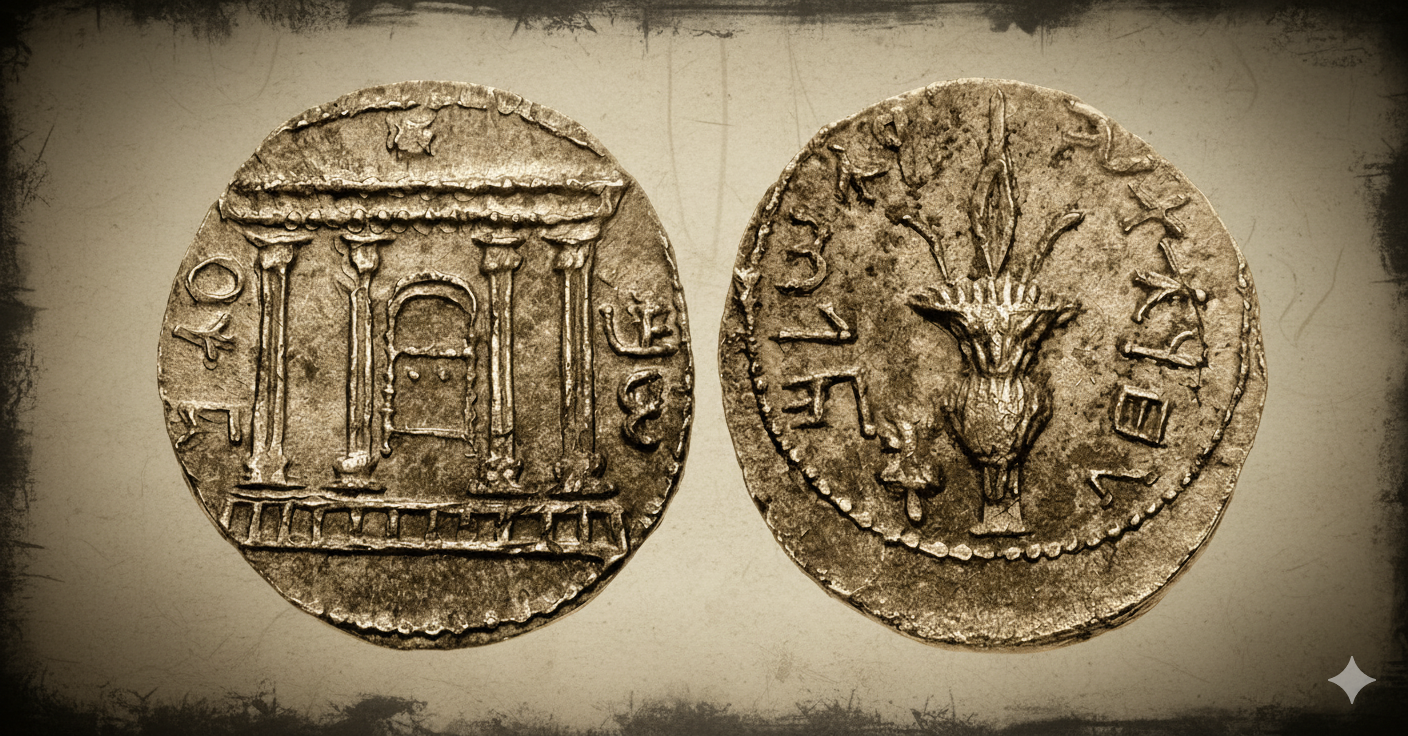
A silver tetradrachm coin from the Bar Kokhba Revolt

132-136 CE

Bar Kokhba Revolt
The final, defiant Jewish war against Rome. Jewish warriors briefly recaptured Jerusalem for two years, minting coins declaring "Freedom for Jerusalem" before being ultimately crushed. Some of these coins can be found at the Jewish Museum in New York. In the aftermath of the revolt, Rome changed the province's name from Judea to Syria Palaestina, a decisive Roman act that helped establish "Palestine" as the later provincial and regional name. As Barry Strauss emphasizes, this was punitive: Rome changed "Judea," the land of the Jews, to "Syria Palaestina," the land of the Philistines, and he notes that no other rebellious Roman province was punished by having its name changed. The renaming stood alongside Hadrian's refounding of Jerusalem as the Greco-Roman city Aelia Capitolina and the ban on Jews entering Jerusalem, invoking the name of the Philistines—an ancient Aegean people remembered in Jewish history as enemies of Israel—while deliberately weakening the Jewish association with the land.

Exile & Perseverance

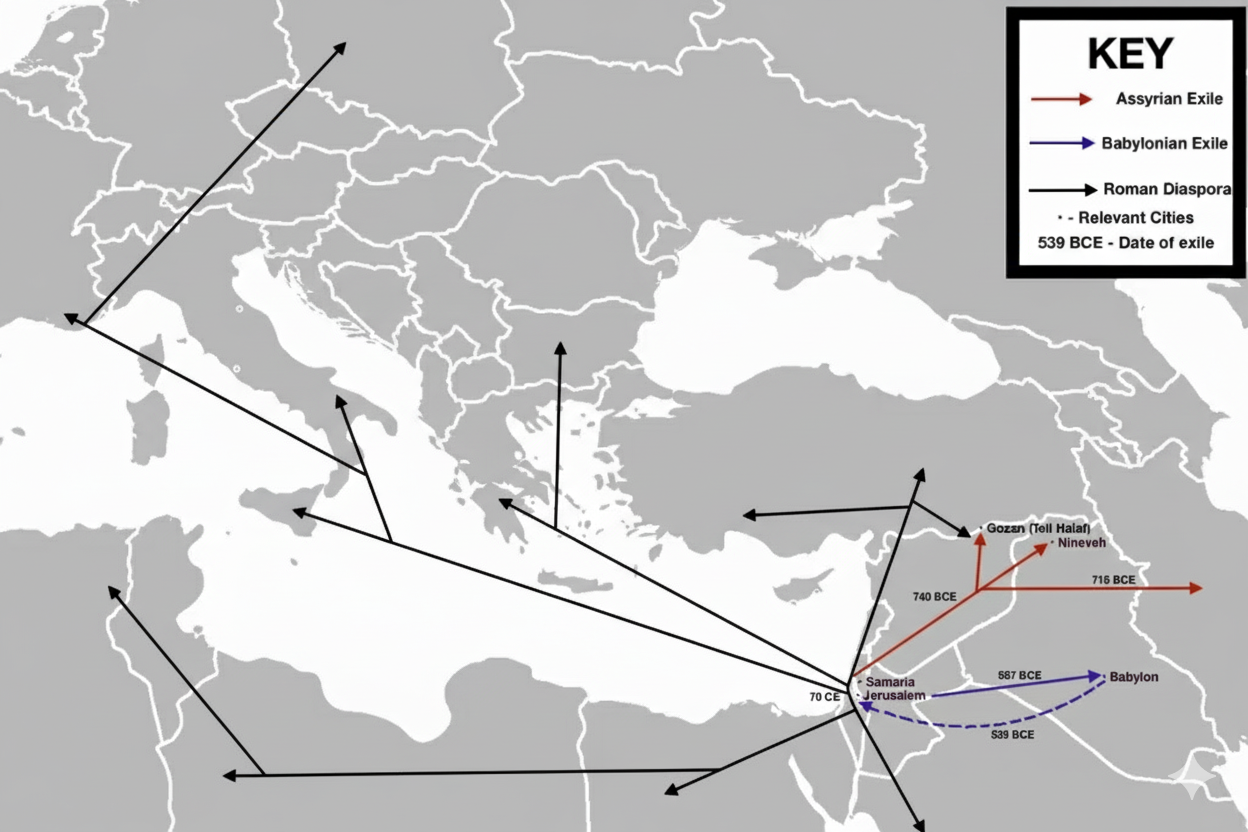
An artistic representation of Jewish exiles, symbolizing the diaspora.

70 CE

The Jewish Diaspora Consolidates, Not Begins
Following the destruction of the Second Temple, hundreds of thousands of Jews were sold into slavery or fled. This moment amplified and dispersed an already-existing Judean people long present across the Roman world, whose communities remained legally distinct and tethered to Jerusalem through law, practice, and remittances. This phase of exile did not sever the chain to the land — it exported it — laying the foundation for both Sephardic and Ashkenazi Jewry as external continuations of the same people rooted in Judea.
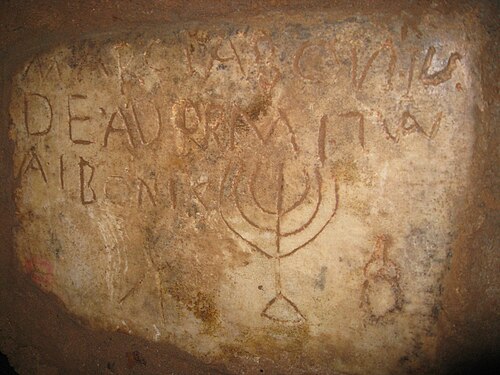
The Vigna Randanini Jewish catacomb along Rome's Via Appia, showing ancient Jewish burial traditions.

2nd–5th Cent. CE

Vigna Randanini Jewish Catacomb
A Jewish underground cemetery along Rome's Via Appia preserves inscriptions, family burial areas, wall paintings, and rare kokhim tombs — narrow burial niches cut perpendicular into the gallery walls. This tomb type has close parallels in Roman Syria-Palestina, especially the Jerusalem area, showing that Jews in the heart of the Roman Empire preserved burial traditions tied to their ancestral homeland. In the very city of the empire that destroyed Jerusalem, Jewish communities endured, organized, and carried forward the memory of Zion — another link in the unbreakable chain.
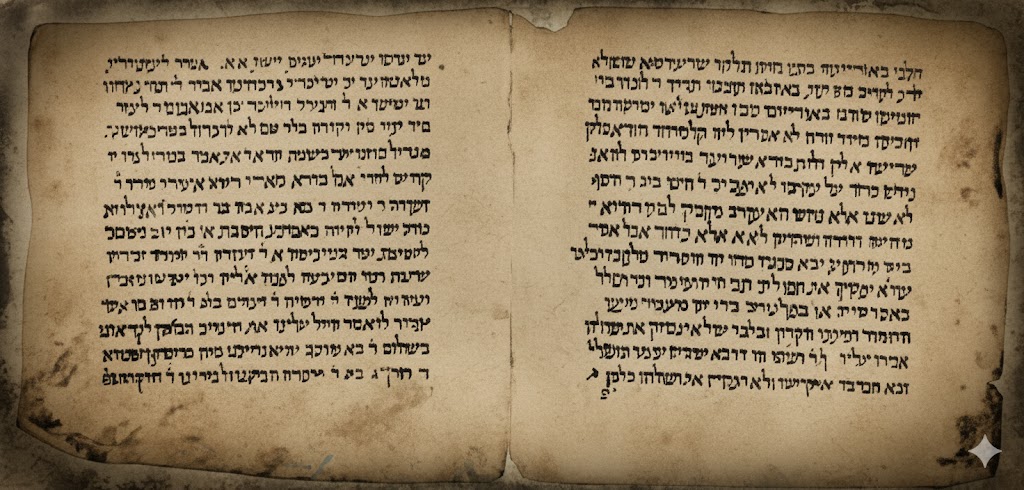
An illustration of ancient Tiberias, a center of Jewish learning.

200 CE

Galilee - Home to Judean Exiles
After Jerusalem's destruction, Jewish life and leadership persevered, shifting its center to Galilee. Tiberias became the largest Jewish city and political hub, where the Mishnah was completed and the Jerusalem Talmud was compiled. This era proves that even with Jerusalem off-limits, the chain of Jewish presence, scholarship, and self-governance in the Land of Israel was never broken.
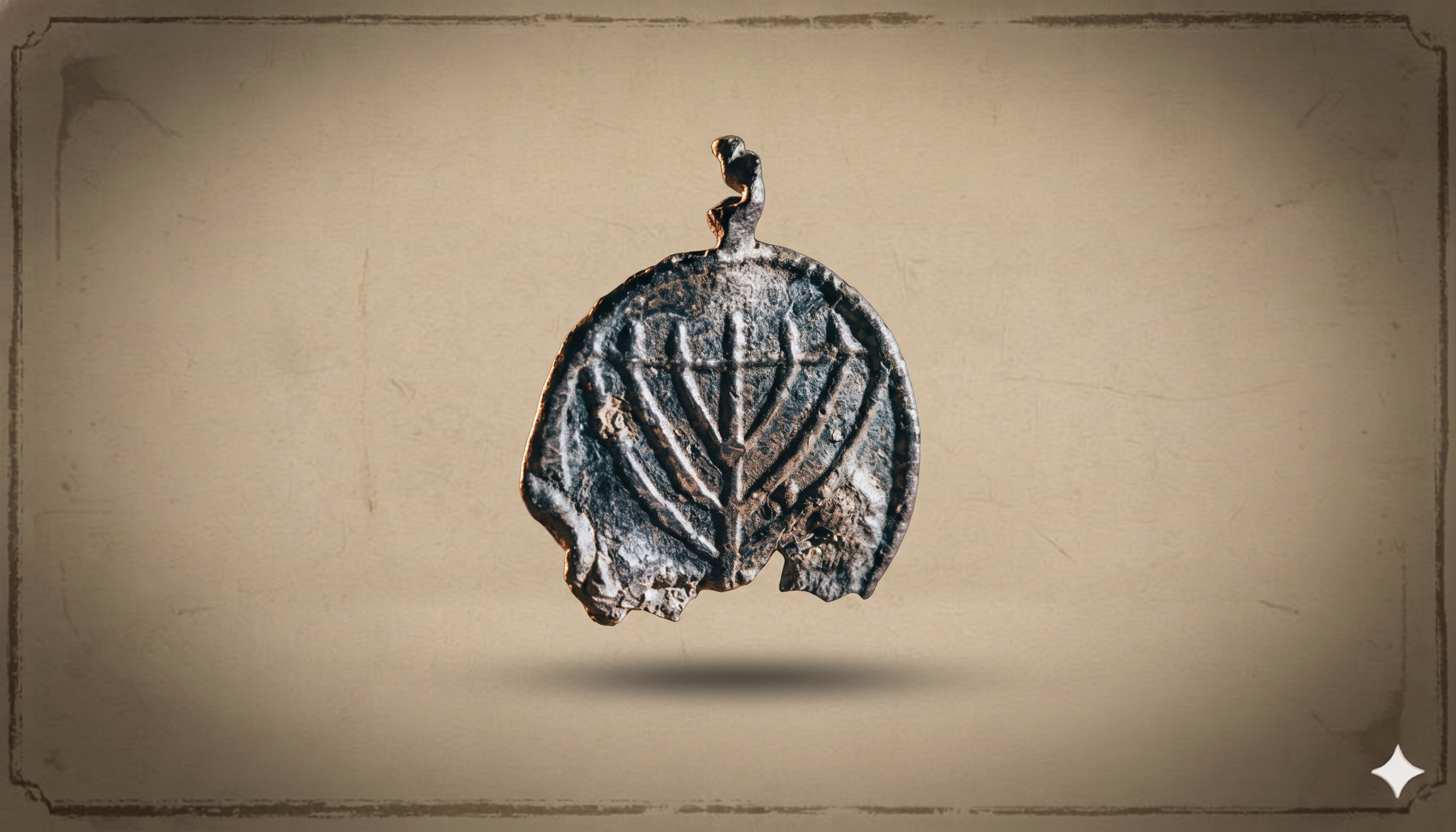
A rare lead menorah pendant unearthed near the Temple Mount, dating to the Byzantine period.

6th–7th Cent. CE

Lead Menorah Pendant
A rare lead pendant bearing a seven-branched menorah on both sides was unearthed near the southwestern corner of the Temple Mount in Jerusalem, in the Davidson Archaeological Park. Dating to the late Byzantine period, when Jewish access to Jerusalem was restricted, the pendant reflects the enduring pull of Jerusalem and the Temple in Jewish memory. Its discovery shows that even after destruction, exile, and imperial limitation, Jews continued to carry the symbols of their faith and homeland close — another link in the unbreakable chain of presence, longing, and return.
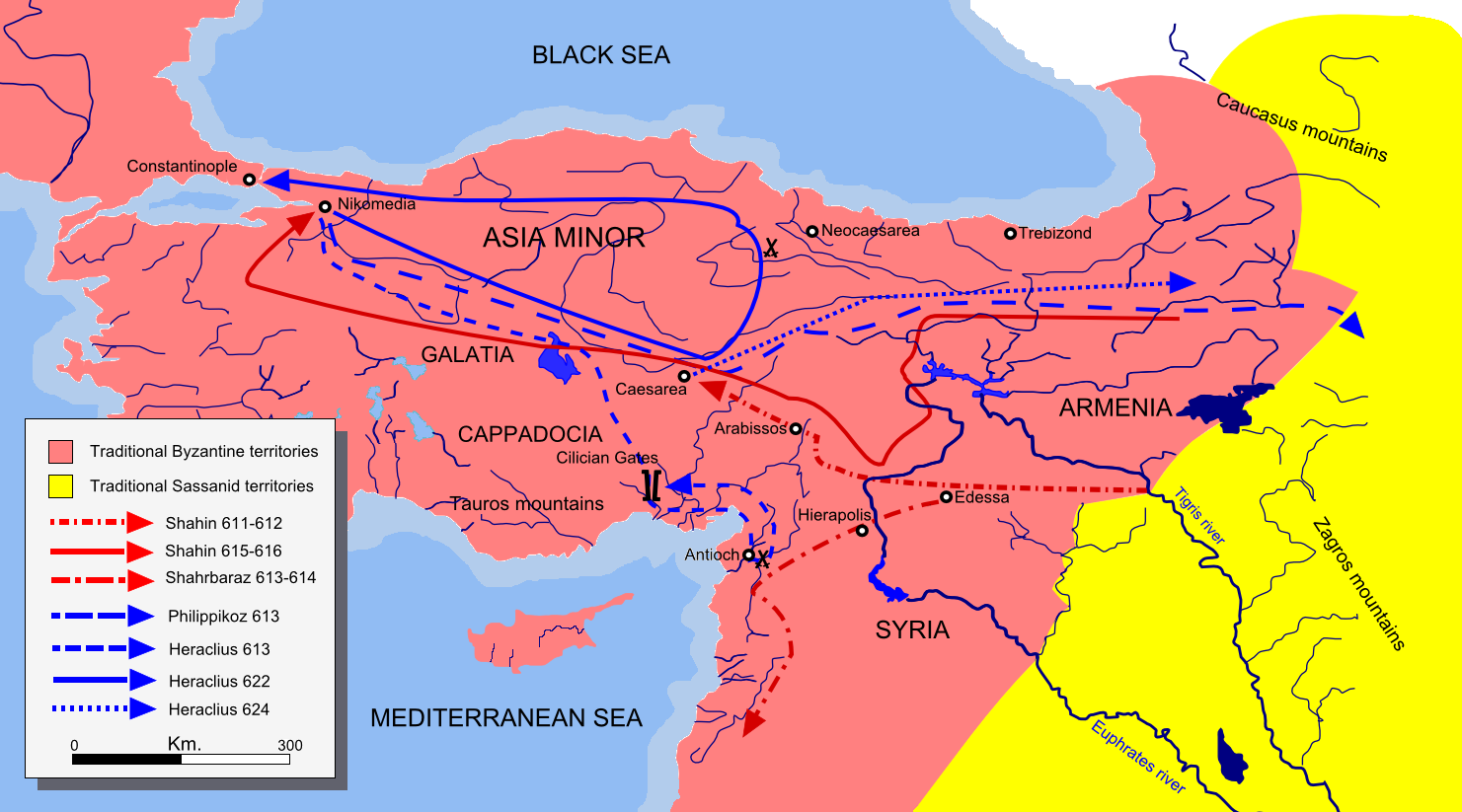
A map showing the Byzantine-Sasanian War campaigns.

7th Century CE

Jewish Revolt Against Heraclius
The Jewish revolt (614–617 CE) saw up to 26,000 Jewish rebels ally with Sasanian Persians against Byzantine rule, aiming for autonomy and to re-establish a Jewish state. The Jewish forces, led by Nehemiah ben Hushiel, temporarily gained control of Jerusalem and sought to rebuild the Third Temple. However, the Persians reversed course in 617 CE. Upon the Byzantine Emperor Heraclius's return in 630 CE, the brief period of Jewish self-rule ended in a massacre and expulsion of the Jewish population from Jerusalem, severely devastating communities in the region. Nehemiah ben Hushiel was he last Jewish leader to control Jerusalem until the modern state of Israel.
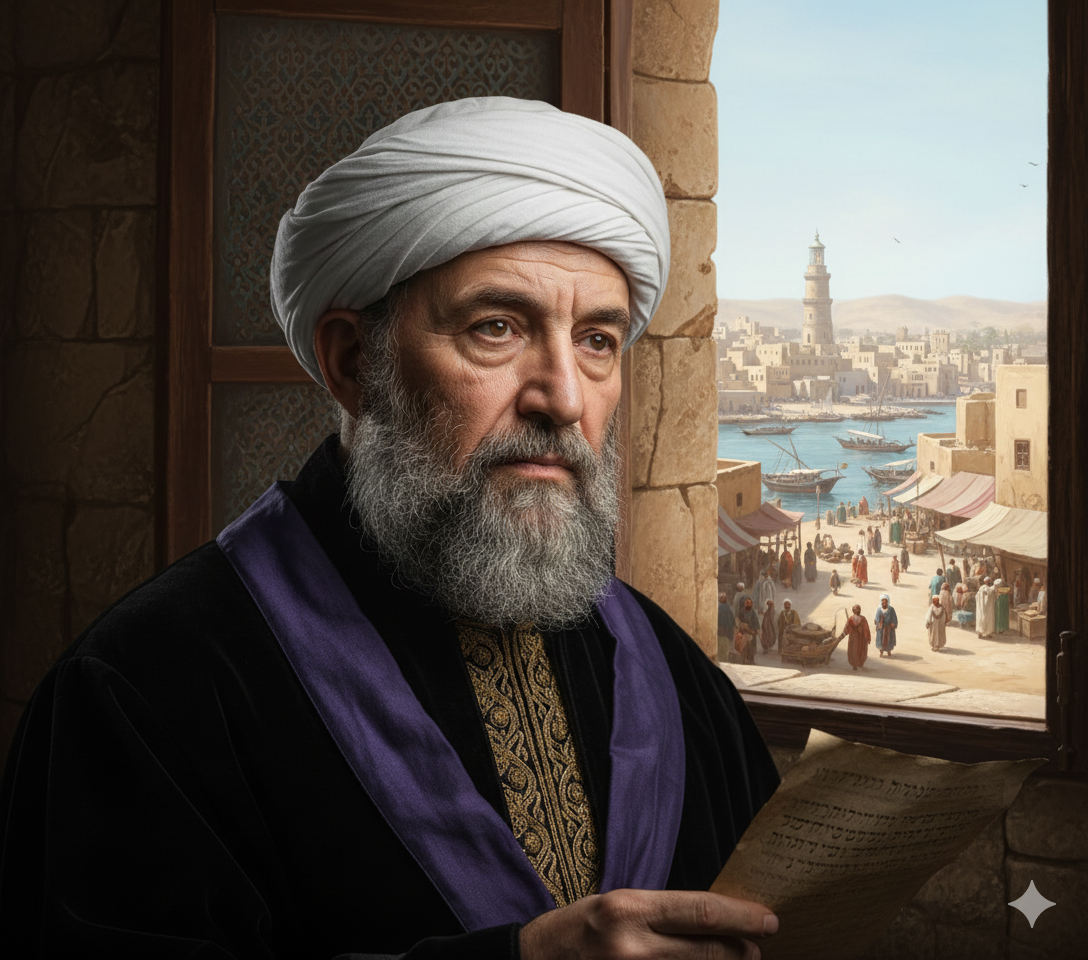
An illustration depicting the concept of Return to Zion.

800 - 1900 CE

Return to Zion
From the early medieval period to the 19th century, leading Jewish scholars viewed themselves in exile and expressed deep spiritual yearning for return to the Land of Israel. Figures like Saadia Gaon, Rashi, Maimonides, Judah Halevi, and Nahmanides emphasized Israel’s centrality—often linking return to messianic redemption. By the 1800s, thinkers like Rabbi Yehuda Alkalai and Zvi Hirsch Kalischer began advocating for a practical return, setting the stage for Theodor Herzl’s political Zionism.
Map of Jewish expulsions in Europe

1290-1497 CE

The Great Expulsions
A wave of ethnic cleansing across Europe. Jews were expelled from England (1290), France (1394), Spain (1492), and Portugal (1497), forcing hundreds of thousands to flee their homes, leaving behind their property and centuries of history.

1791-1917

The Pale of Settlement
The Russian Empire confined its Jewish population to a vast territory known as the Pale of Settlement, where, despite seeking safety and community, they faced restricted rights, limited movement, and severe economic oppression, leading to intense poverty and persecution.

4,899,300

Jews confined to the Pale by 1897

1881-1921

Pogroms & Flight
Waves of violent, state-sponsored anti-Jewish riots sweep through the Pale of Settlement. The massacres lead to the exodus of over two million Jews, who seek safe haven in America and Ottoman and British Palestine, sparking the First Aliyah.

1939-1945

The Shoah
The systematic, industrial-scale genocide of six million Jews—approximately two-thirds of European Jewry—by Nazi Germany and its collaborators. ~6,000,000 of ~9,500,000 murdered.

Modern Return & Rebirth

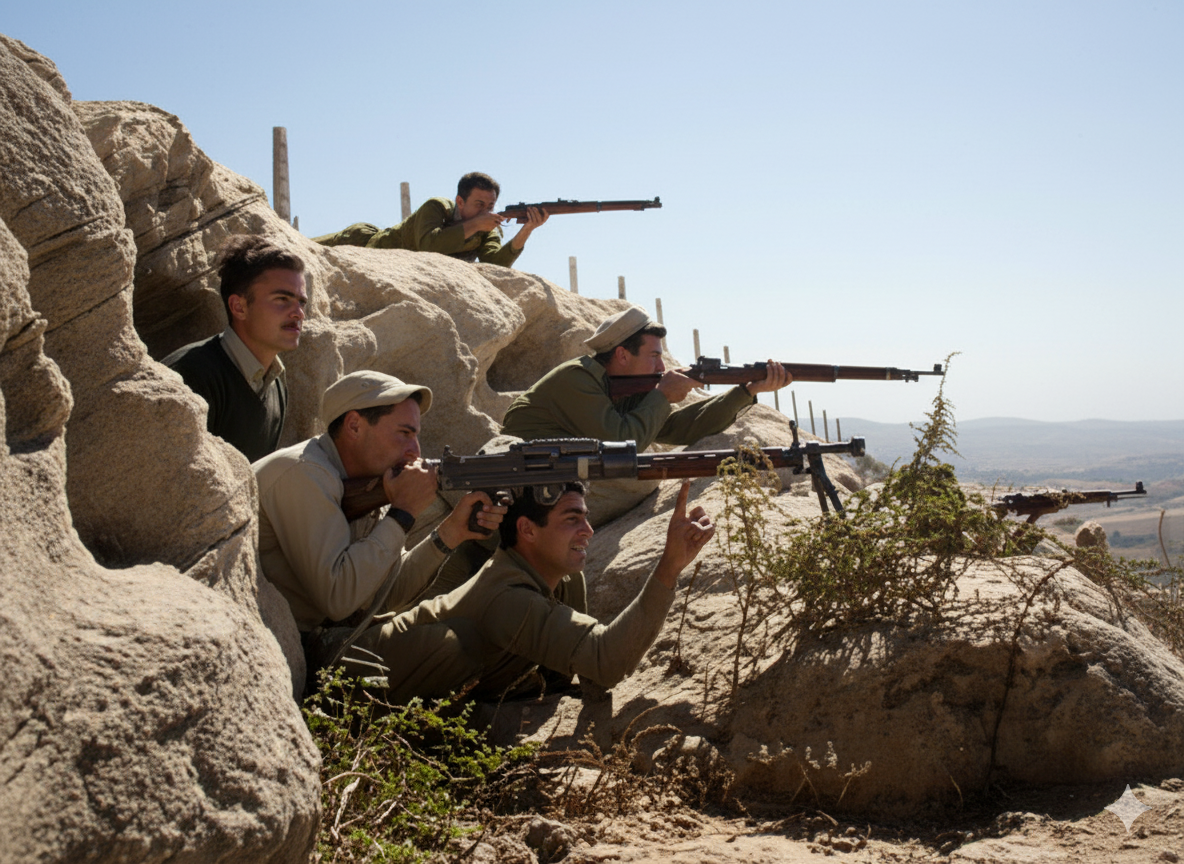
Haganah fighters in 1947

1920-1948

Anti-Imperial Resistance
Groups like the Haganah and Irgun fight British rule to re-establish the state of Israel.
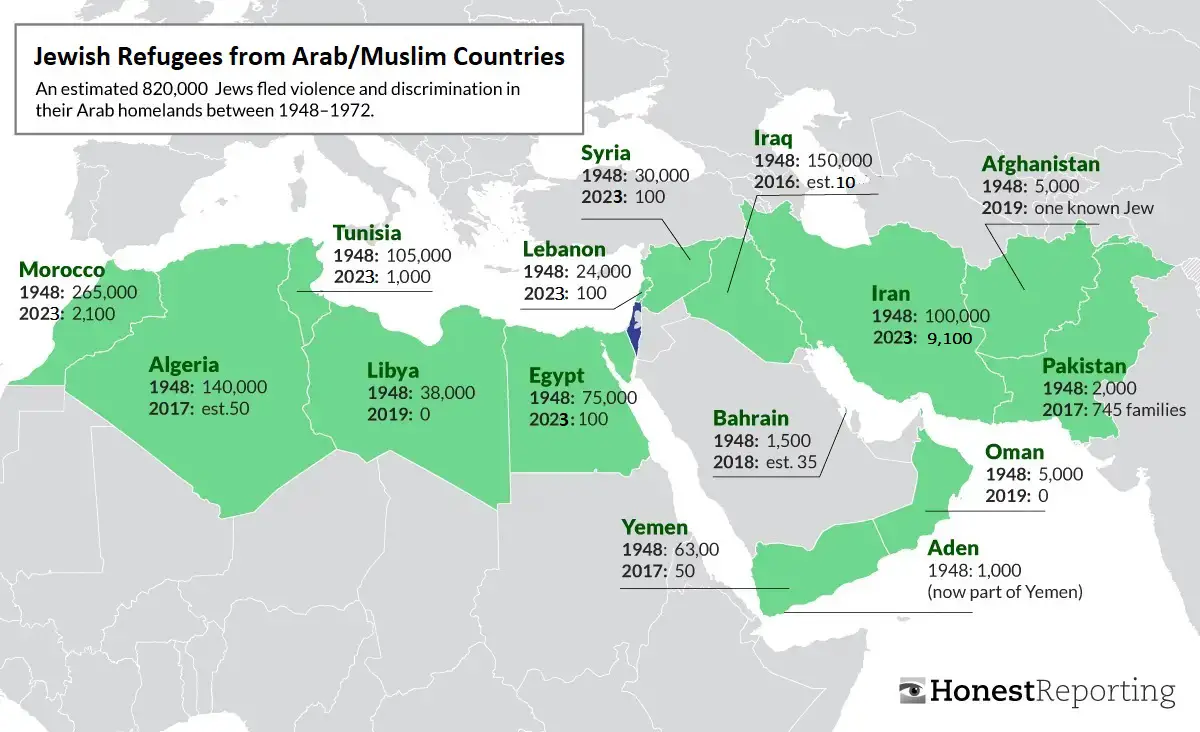
Map of Jewish refugees from Arab lands

1948-1970s

The Forgotten Exodus
Nearly a million Jews are forced to flee Arab and Muslim lands following the establishment of Israel.
The flag of the State of Israel

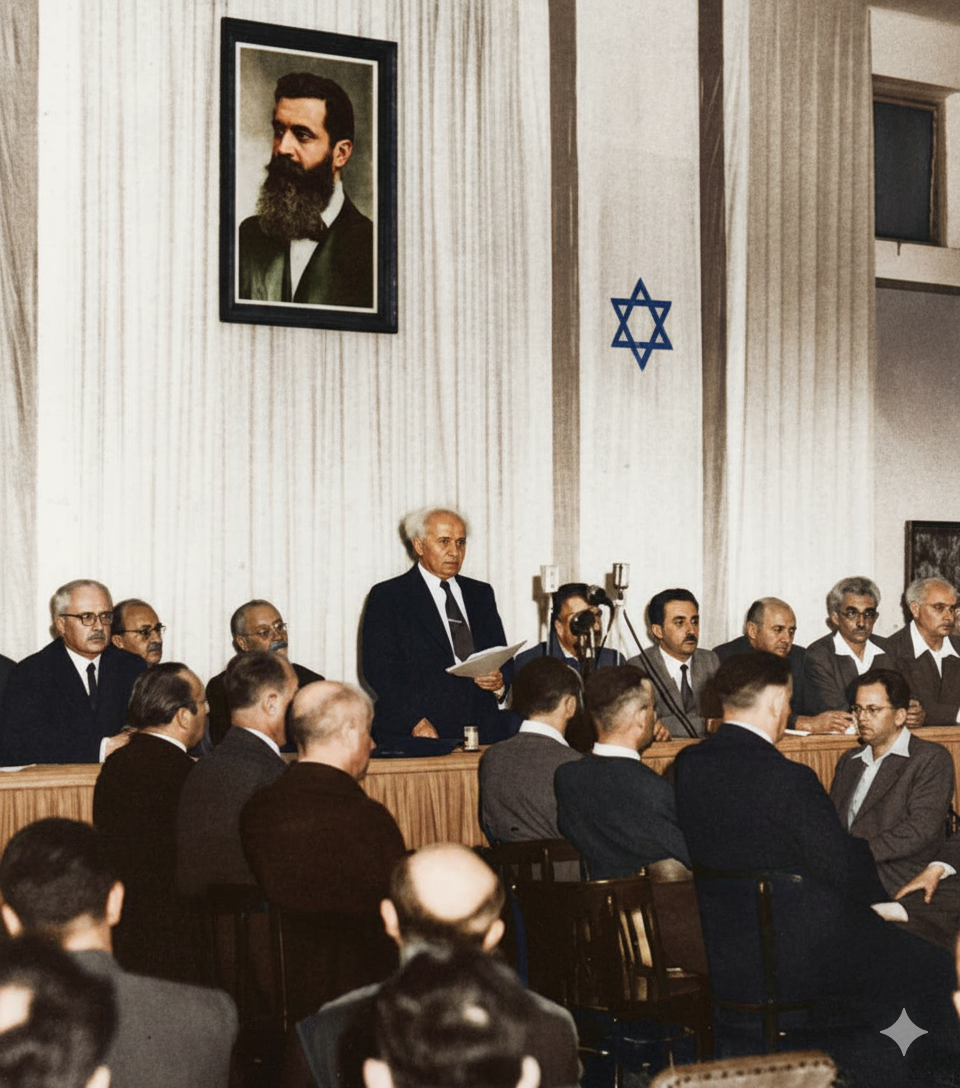
1948 CE

State of Israel
After 2,000 years, the Jewish people reclaim sovereignty in their ancestral homeland.

They Organize Hate. We Organize Strength.

To the antisemite, it doesn't matter if you're in shul every Shabbat or haven't been in years—they target all of us. They attack our synagogues because they know these are the centers of our communal strength and continuity. Supporting these institutions isn't just a religious act; it's a strategic one. It's how we fund the centers that educate our children, care for our vulnerable, and stand as defiant symbols of our presence. It's how we fight back, together.

The People of Israel Live (עַם יִשְׂרָאֵל חַי)

SUPPORT THE COMMUNITY

As the Sages teach: "Show love with your wealth; put your resources toward good purposes."

Below are concrete ways to support the Jewish community, strengthen our institutions, and make your voice heard.

Strengthen Our Kehillot

Our communities are our strength. Invest in the institutions that sustain our future.

Reform Judaism

Championing progressive values and building a more just and compassionate world.

Donate to URJ
Conservative Judaism

Fostering authentic and dynamic Jewish life rooted in Halakha and pluralism.

Donate to USCJ
Orthodox Union

Strengthening Orthodox Jewish life and values worldwide.

Donate to OU

Disclaimer: We are not affiliated with the URJ, USCJ, or OU, nor did we receive their permission to post these links. We simply believe in their missions and encourage individuals to support them or their local synagogues, regardless of personal religiosity.

TAKE ACTION

Your voice matters. Enter your address and we will identify your federal and state representatives, craft an advocacy message, and walk you step-by-step through contacting each one.

United States Capitol Dome